
B.C. Highway Flood Recovery Projects - Highway 8
 Last updated on September 4, 2026
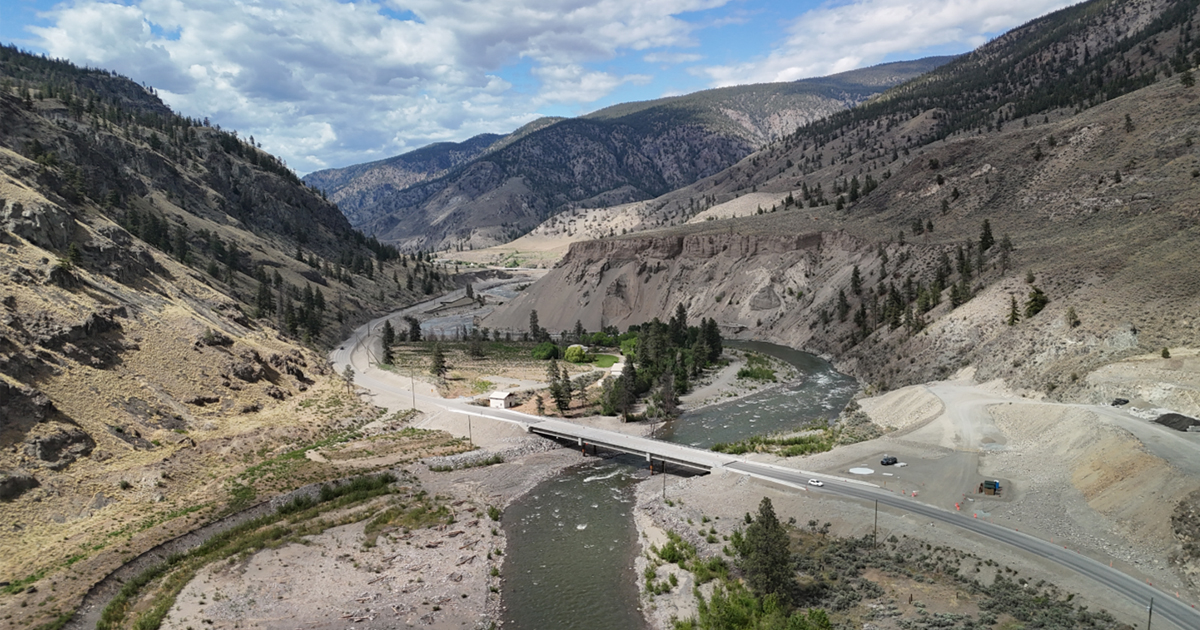
After almost five years of extensive repairs, recovery work on Highway 8 is complete at all 25 sites damaged by flooding in 2021. The completion of repairs restores Highway 8 to full access for communities, travellers and businesses along this vital route in the Nicola Valley. This marks the final milestone in BC’s Highway Reinstatement Program.
The remaining work is scheduled for completion by September 2026, including additional environmental restoration, resurfacing remaining sections of highway, and completion of work at the two remaining sites (Sites 9-10).
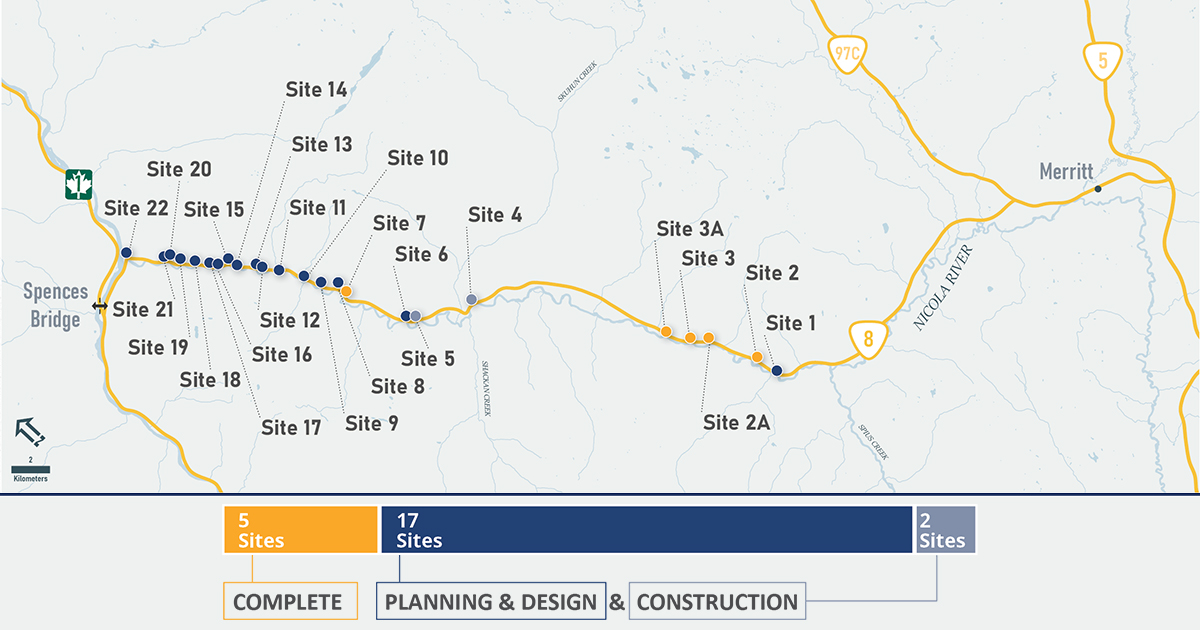
Overview
The newly upgraded Highway 8 features more than 13 kilometres of rebuilt roadway, two new climate-resilient bridges, and other upgrades to strengthen and modernize the highway.
Traffic impacts
All permanent repairs are complete. Always visit DriveBC to check for any delays and road conditions before travelling on B.C. highways.
Highway maintenance
Yellowhead Road & Bridge Ltd. regularly monitors the area and applies traction control (salt and sand) on the roads during winter conditions. Cobra Electric Interior Services LP is the electrical maintenance contractor for the region and maintains traffic signals and lights.
If you notice any hazards or issues on Highway 8 (such as potholes and faulty lights), please call: 1-888-899-9854.
Project benefits
Safer, more resilient infrastructure
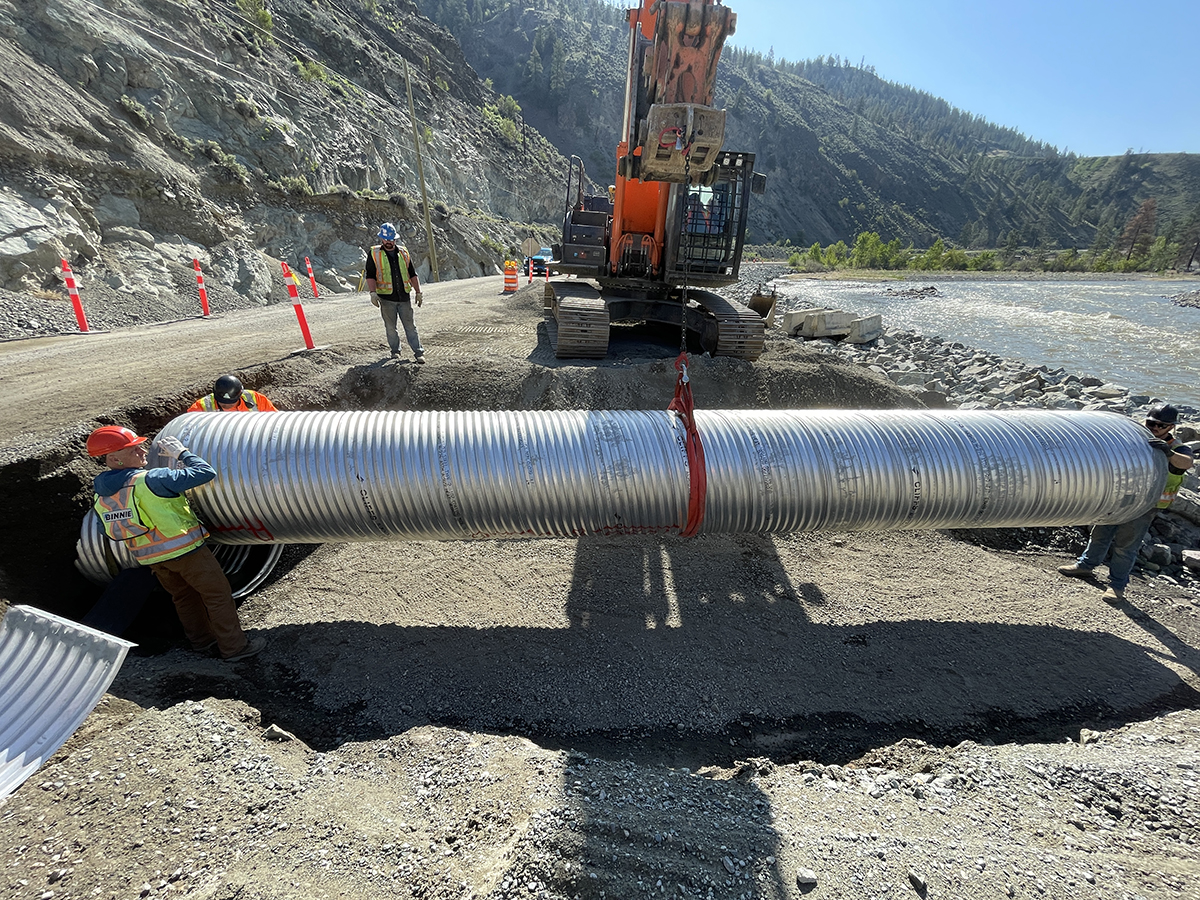
Installing larger culverts to improve drainage at site 18
The number of repair sites and their scale have allowed us to rebuild the highway so that it is safer and more resilient to extreme weather. This includes:
- A new highway alignment at sites 9 and 10 that improves safe access for residents
- Better armoring of slopes with riprap (large rocky material) to prevent scour and erosion
- Deeper bridge foundations (footings) for greater structural integrity
- Upsizing culverts to improve drainage
- Modern road-building standards such as building a stronger road base, wider shoulders and concrete roadside barriers
Environmental restoration and enhancement
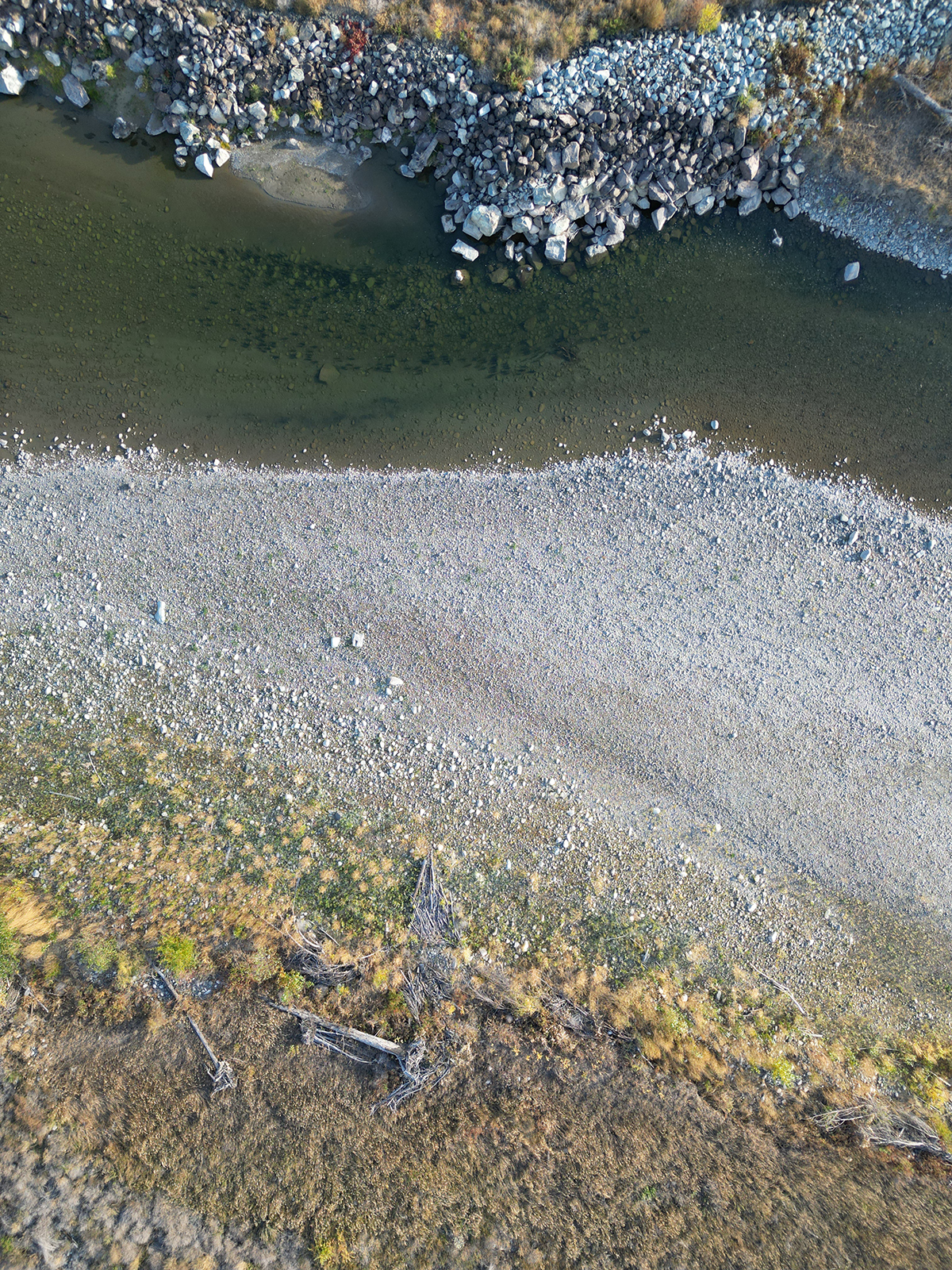
Coho salmon travelling past rocky clusters (groynes) at site 4
The Highway 8 team is committed to restoring, enhancing, and conserving the natural environment during highway construction. Throughout the corridor, several features have been designed to help fish and other wildlife in the Nicola Valley. These include:
- In-stream rock clusters (called “groynes”)
- Large woody debris placed beside or in the river
- Streamside plants
- Side channel habitats
- Wildlife crossing tunnels
Months after completion, the environmental offsetting sites are supporting thousands of young fish, including coho and chinook salmon. Initial monitoring has also noted beavers, tadpoles, snakes and aquatic insects.
Streamside plantings show healthy new growth and are helping stabilize the soil. Water temperatures indicate that groundwater continues to feed the new sites, a positive sign for young fish through the summer and winter months. Woody debris placed in the area is creating areas within the river that support fish spawning and rest for young fish.
Post-construction monitoring will continue to track the long-term performance of these improvements and confirm they are meeting their intended outcomes.
Collaboration with Nlaka’pamux communities
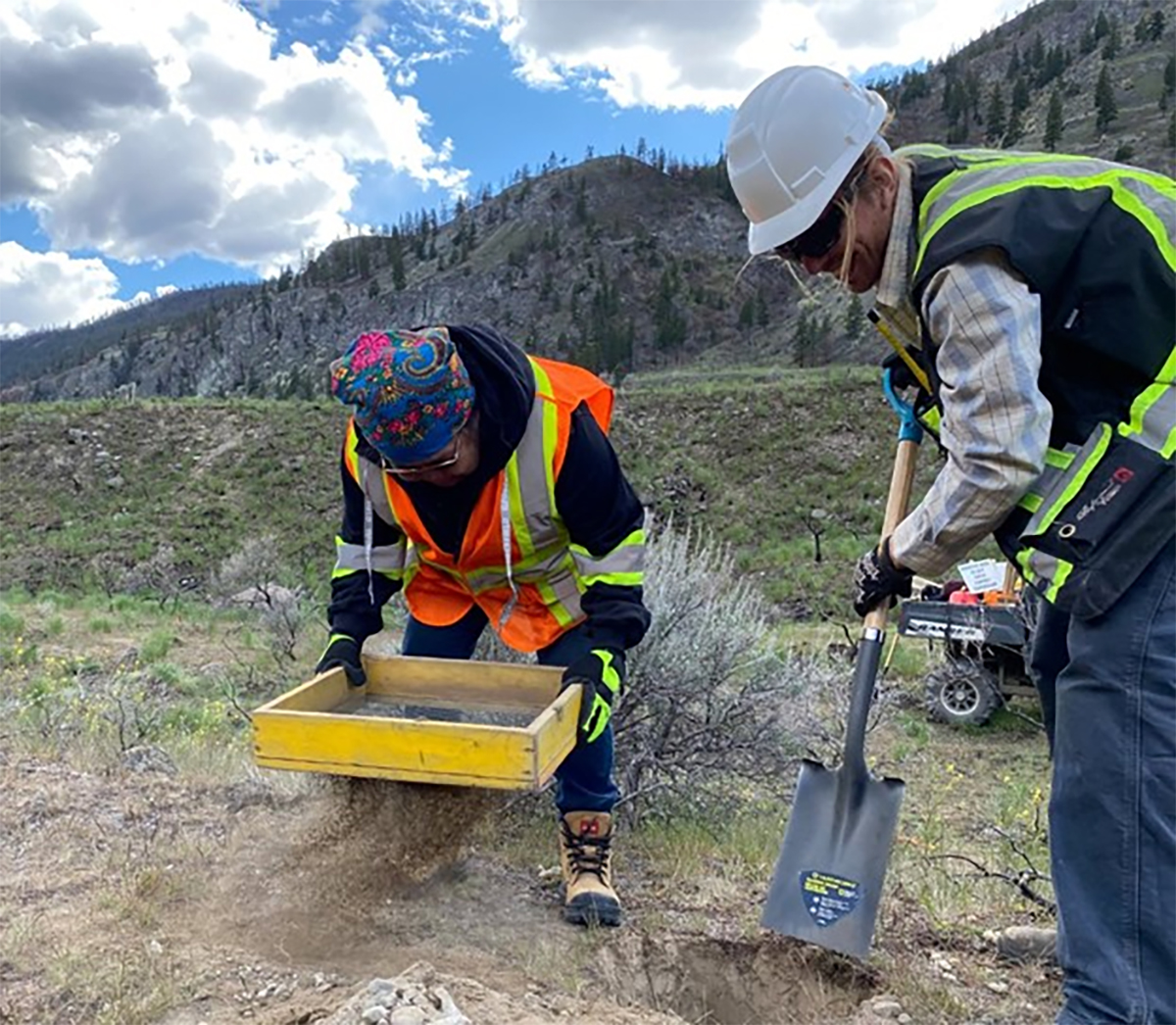
We work collaboratively with the Nlaka’pamux Nation to ensure that local interests and sensitivities are being respected throughout the highway rebuild.
The Ministry of Transportation and Transit would like to thank our Indigenous partners who have supported the recovery effort. Some of the ways we consulted and involved local Indigenous communities in our work include:
- First Nations contractors: to support Indigenous businesses and employ local workers.
- Indigenous Monitors: to ensure that work is carried out in a culturally and environmentally responsible manner.
- Community engagement: to consult on habitat restoration, traditional knowledge of the Nicola Valley, and collaborate on naming the two bridges at Sites 9 and 10 in the Nle?kepmxc’in (Nlaka’pamux or Thompson) language.
- Purchasing from local communities: to support economic reconciliation through the purchase of 35,000+ local plants and other engineering materials.
- Events and ceremonies: to celebrate and honour important milestones within local communities.
Sites
Sites 1 to 8
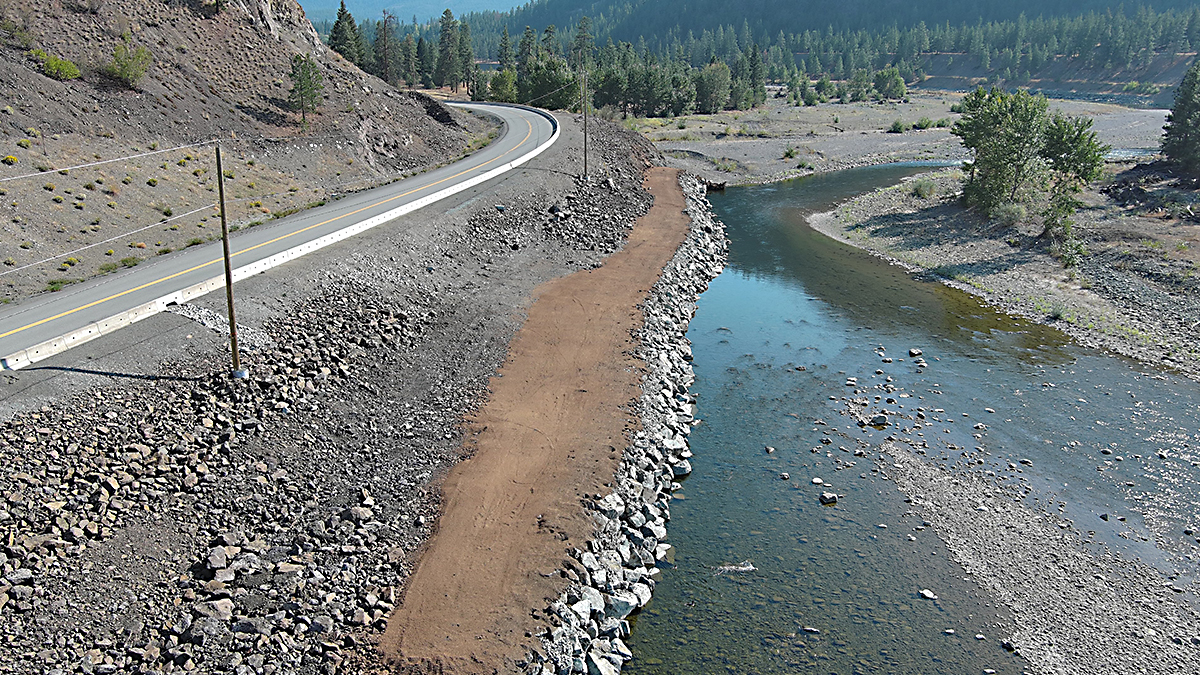
Sites 1 to 8 are located between 17.3 km west of Mamit Junction and 16 km east of Spences Bridge.
- All construction is complete
Sites 9 to 10
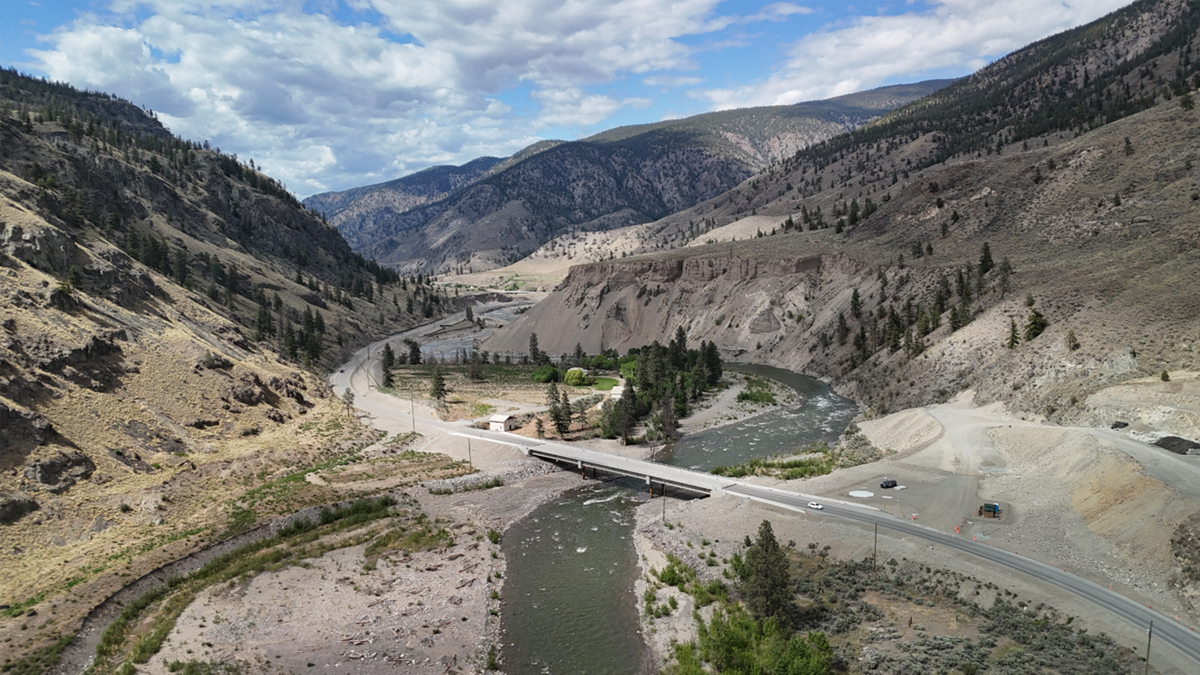
Sites 9 to 10 are located between 14 to 15.3 km east of Spences Bridge.
- All construction is complete
Sites 11 to 15
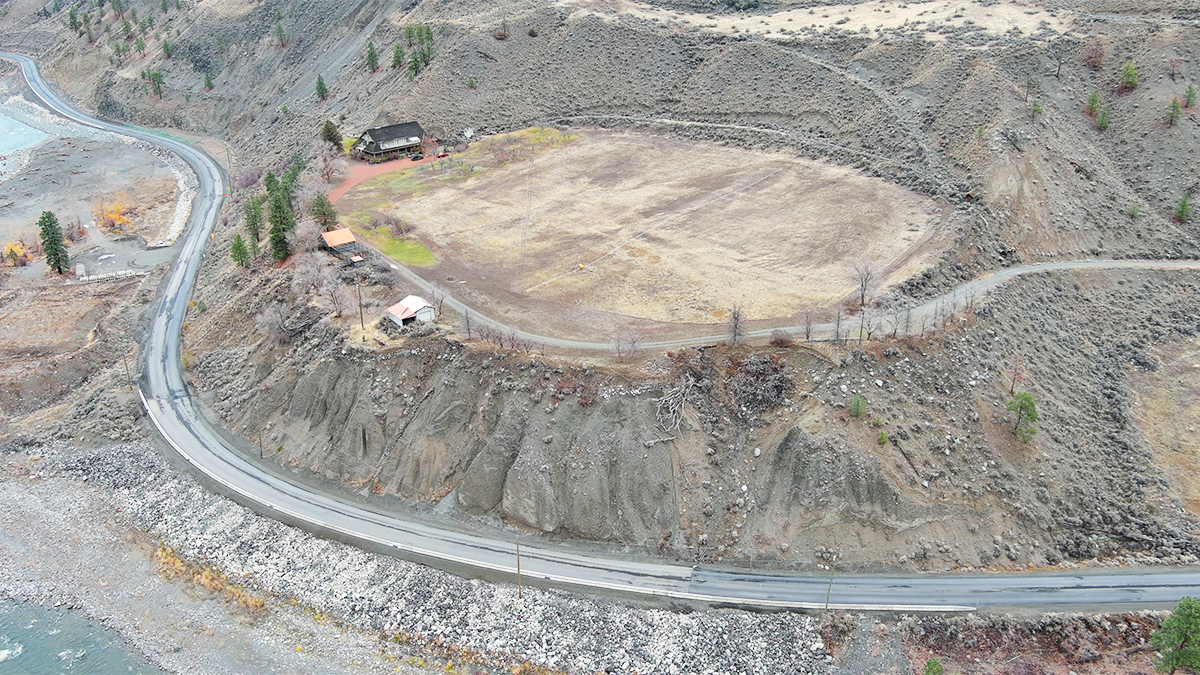
Sites 11 to 15 are located between 9.1 to 12 km east of Spences Bridge.
- All construction is complete
Sites 16 to 19
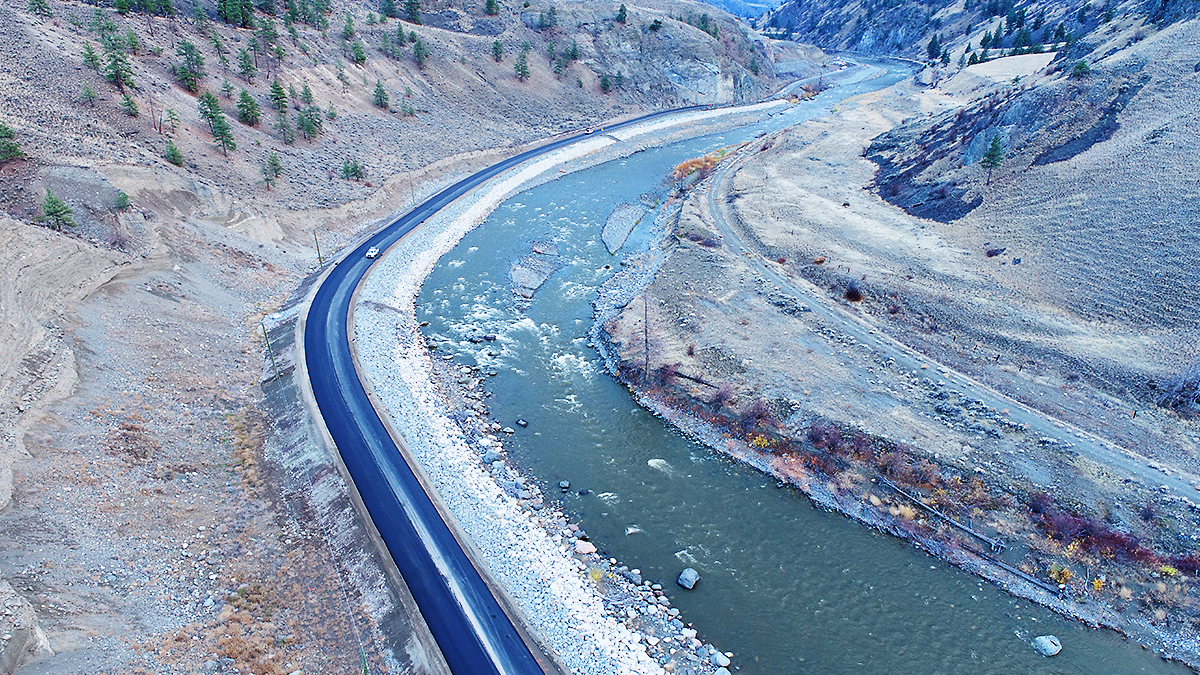
Sites 16 to 19 are located between 6.6 to 8.7 km east of Spences Bridge.
- All construction is complete
Sites 20 to 22
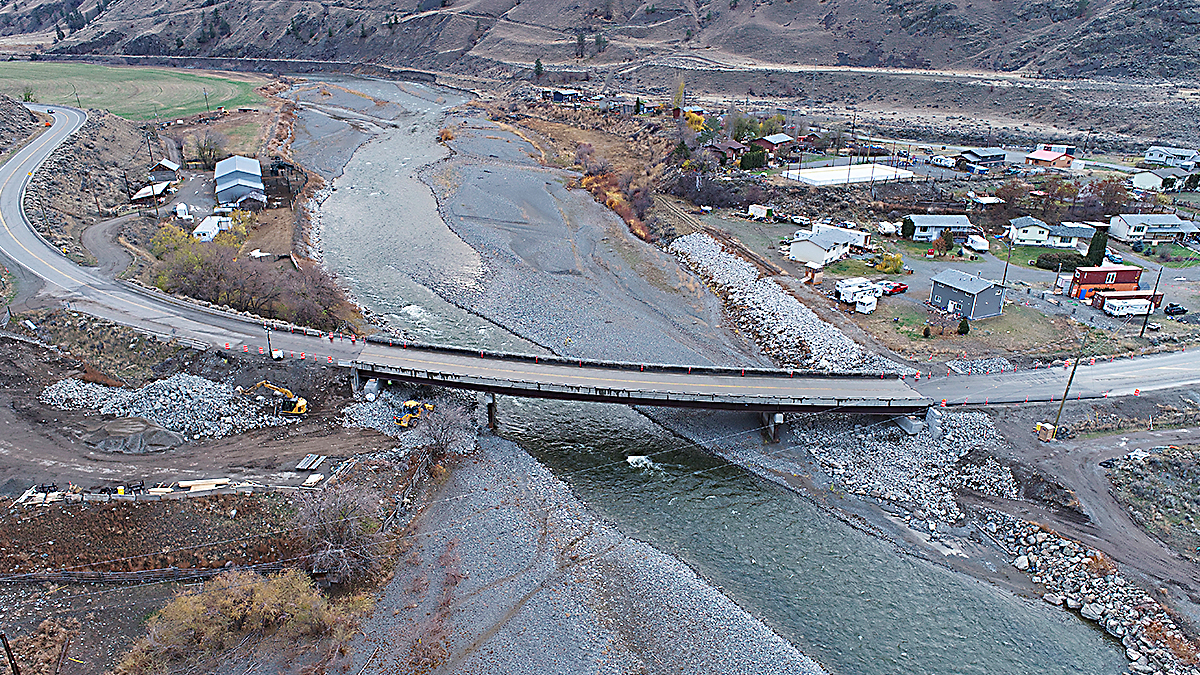
Sites 20 to 22 are located at 3 Mile Bridge, Rattlesnake Bridge and Curnow Bridge.
- All construction is complete
Archive
News
Photo gallery
Video
Contact information
Friendly Url for this Page:
gov.bc.ca/highway8recovery
For more information contact:
General Enquiries
Subscribe
Enter your email address to subscribe to updates of this page.