
Algae Watch
 Last updated on June 22, 2026
Algae Watch is an educational program for citizen science data gathering.
Our goal is to help people recognize and identify algae blooms in B.C. lakes.
External resources
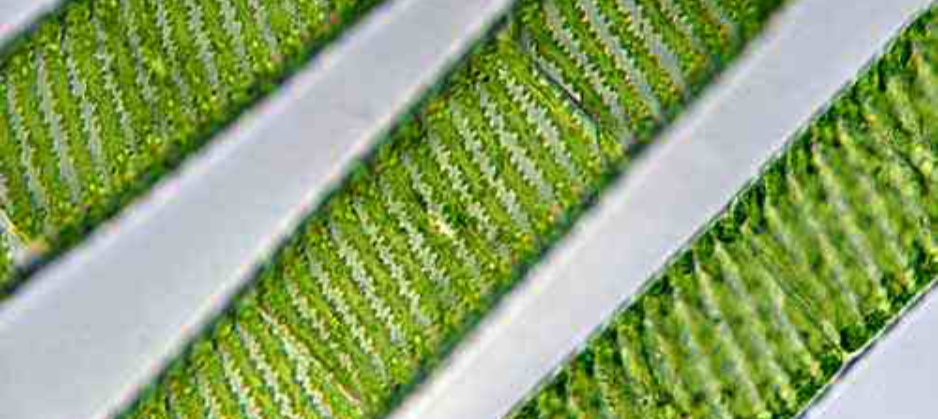
Learn about algae
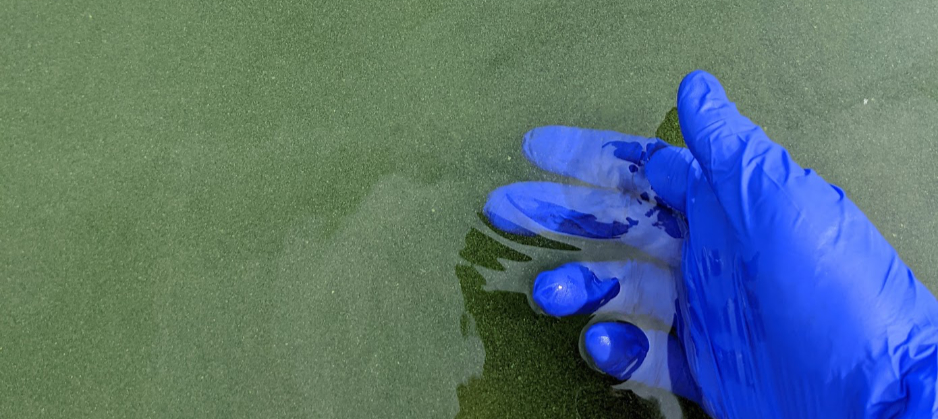
Submit your observation
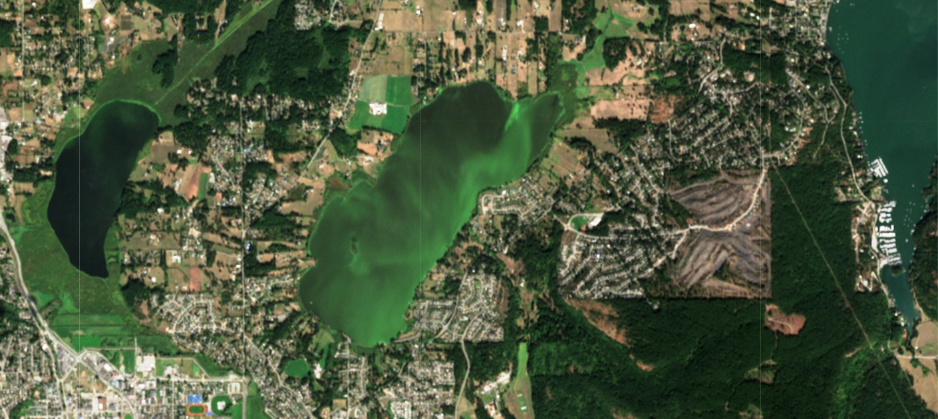
Citizen science is the voluntary participation of the public in scientific research.
Through citizen science, people can contribute to monitoring and data collection programs to increase scientific knowledge about the world around us.
Algae Watch relies on citizen science to help our water quality experts identify and better understand cyanobacteria and algae blooms in B.C.
 Health concerns with drinking or recreational water use
If you have health concerns related to drinking or recreational water use, please contact your local health authority.
For more information on beach advisories related to algae, please contact your local beach owner or operator.
For more information about cyanobacteria health concerns, visit HealthLink BC. If you or your pet have become unwell after contact with water that you think may be contaminated with cyanobacteria (blue-green algae), we strongly recommend that you seek immediate medical or veterinary advice.
When in doubt, stay out!
 For spills and environmental violations
To report a spill or other contamination source, contact the Provincial Emergency Program, Environmental Management B.C. spill reporting line at 1-800-663-3456.
To report an act of pollution, contact the RAPP (Report All Poachers and Polluters) reporting line at 1-877-952-RAPP (7277), or report a violation online.
Submit your algae bloom photos and descriptions using our online Algae Watch observation submission form.
Watch a video from Nature Conservancy of Canada about what citizen science is and why it's important.
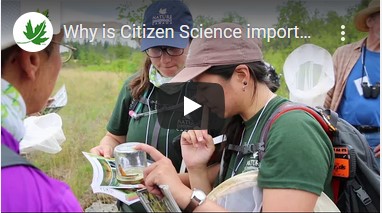
Algae Watch relies on citizen science to help identify and track potential harmful algal blooms.
Contact information
For general questions or comments, please use our contact form.