
Local government climate action highlights
 Last updated on March 25, 2026
This page highlights climate projects taking place in communities around B.C. Stories are shared from:
- Modern Treaty Nations
- local governments
- regional districts
On this page
- About these success stories
- Transportation
- Buildings
- Community-wide and corporate initiatives
- Adaptation and resilience
About these success stories
These stories are submitted by local governments and Modern Treaty Nations. They come from the annual Local Government Climate Action Program (LGCAP) survey and the submission form.
Projects on this page are supported by a variety of funding sources and are not exclusively or necessarily funded by the Province. Projects that received full or partial funding through the LGCAP
are flagged with a ♦.
To share a story, please use the Local Government Climate Action Success Stories Submission Form (DOCX, 28.9KB)
Transportation
Active transportation multi-use path ♦
Bowen Island Municipality
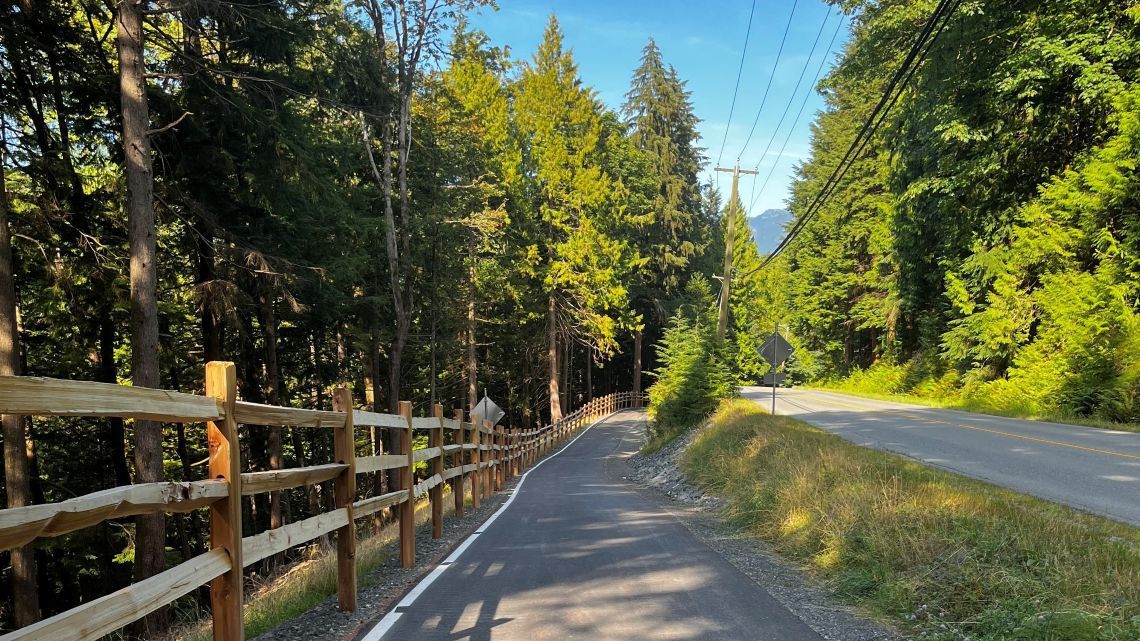
In April 2025, Bowen Island finished construction on a portion of its Multi-Use Path (MUP). The path runs along the main road from the ferry terminal. The project supports Bowen Island’s plan for safe, green travel and gives residents and visitors better and easier ways to get around. The path is part of their:
Active Transportation Network Plan Community Working Group ♦
City of Williams Lake
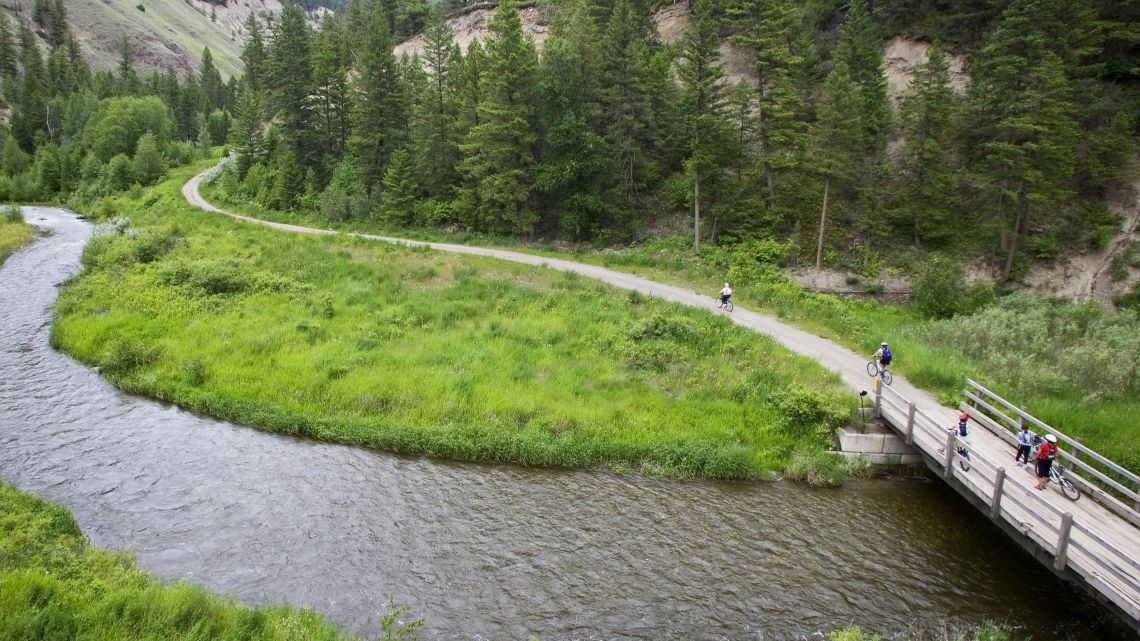
In 2024, the City of Williams Lake began work on a new Active Transportation Network Plan. To hear from the community, the City created a Working Group. The group included local residents, Interior Health, T’exelc (Williams Lake First Nation), and School District #27.
The group helped shape the plan and gather ideas from the public. In November 2024, the City ran a survey and held pop-up events where people could share feedback. A total of 702 people took the survey, showing strong interest in the project.
In June 2025, the City shared the final Williams Lake Active Transportation Network Plan. This plan will help make walking and biking in Williams Lake safer and easier for everyone.
E-Cargo Bike Lending Pilot Program
City of North Vancouver and District of North Vancouver
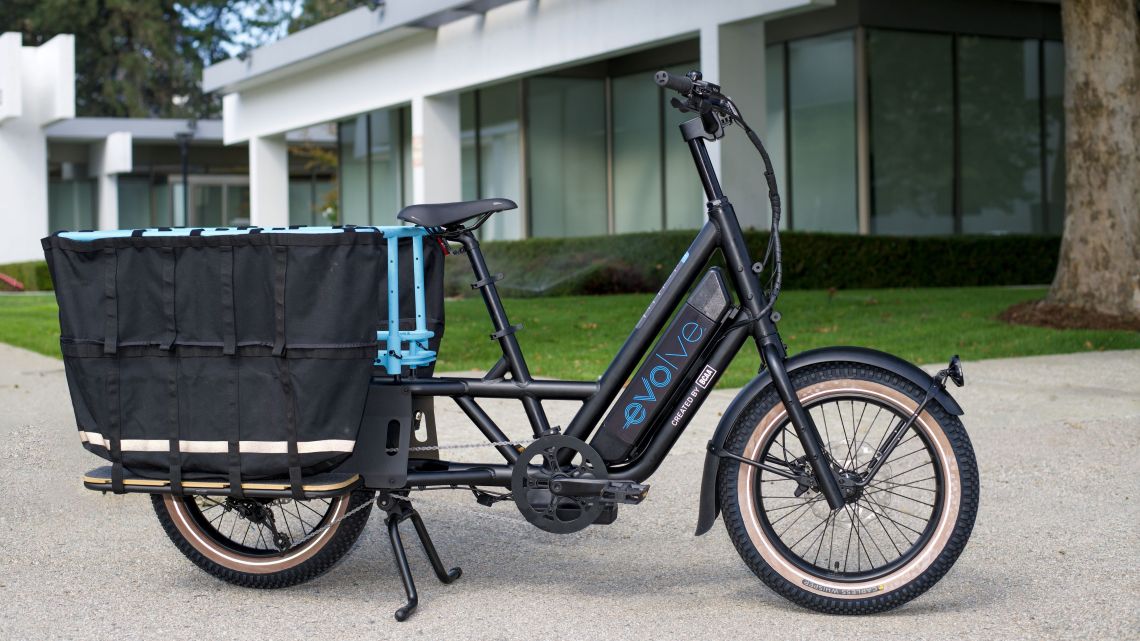
In 2024, the City and District of North Vancouver started the E-Cargo Bike Lending Pilot Program. It was the first program like this in B.C. and was created to help people travel in a cleaner and more active way. The program was supported by BC Hydro, TransLink, LandlordBC, and the BC Alliance for Healthy Living.
E-cargo bikes are electric bikes that have space to carry things. You can use them for groceries, family trips, or even to carry pets. The program gives people a simple and eco-friendly alternative to driving a car.
There are 11 e-cargo bikes people can borrow for free at local libraries, recreation centres, and one apartment building. Riders can use the bikes during regular building hours and must return them to the same place. Many people have used the bikes so far—about 47 rides each month. Each trip lasts an average of four and a half hours and is about 11.5 kilometres long. The program helps people try these bikes and shows that using them can cut pollution and make it easier to travel around the community.
Electric vehicle charging expansion ♦
Capital Regional District
In 2023, the Capital Regional District (CRD) kept growing its electric vehicle (EV) charging network. They added 54 new chargers at 13 locations and plan to install an additional 60 chargers for public and fleet use. To involve more people, the CRD also created and shared guidelines to help landowners and businesses set up public charging stations. This expansion helps more people drive EVs, cuts down on fossil fuel use, and supports the region’s goal of cleaner, low-carbon transportation. The project was funded by the federal Zero Emission Vehicle Infrastructure Program and the City of Victoria.
View resources related to this project:
For support with transportation initiatives see the Transportation and mobility resources section.
Buildings
Retrofit Community Festival ♦
District of Sooke
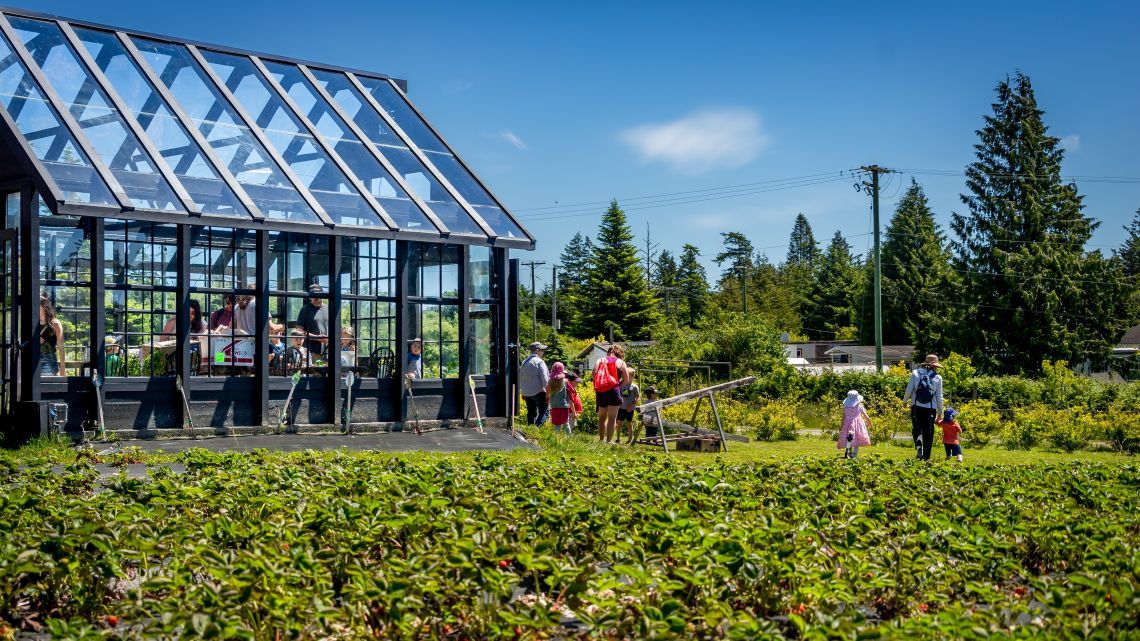
In 2024, the District of Sooke partnered with City Green Solutions. Together, they planned the Sooke Retrofit Community Festival. The event taught people how to make their homes use less energy and create fewer emissions. It also showed what rebates and programs are available to help.
The festival took place in June 2025. It had live demos, guest speakers, and booths from local businesses. People learned about upgrades that save energy like heat pumps and better insulation. Two tools that came from this work are Sooke’s Climate Action Field Guide and the Home Energy Navigator.
By holding this event, Sooke helped support climate goals, local jobs, and residents who want to make their homes more energy efficient.
Solar panels on corporate buildings ♦
Village of Warfield
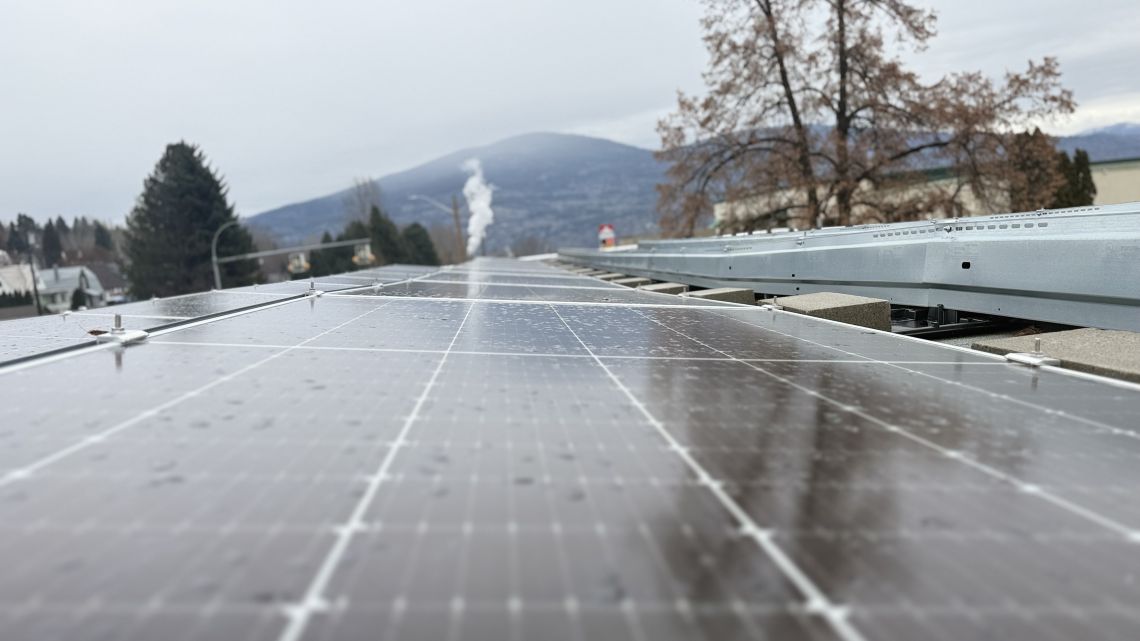
In 2025, the Village of Warfield added solar panels to three public buildings. These panels help lower electricity use and can send extra power back to the grid in the summer. The panels were installed in May 2025 and have since made over 44 megawatt-hours of electricity. This is equivalent to the average annual consumption of 4 to 5 B.C. households.
This project helps reduce greenhouse gas emissions and saves money over time. It’s also inspiring homeowners in Warfield to try solar power. Some residents have already installed their own panels. To spread the word, the Village shared this project in its Quarterly Newsletter (PDF, 1.08MB).
Energy and emissions data and mapping
City of Kelowna
From 2020 to 2024, the City of Kelowna worked on the Canadian Energy End-use Mapping (CEE Map) project. They did this work with Natural Resources Canada. This project created an online map that shows:
- How much energy buildings use
- How many greenhouse gases the buildings produce
- What could happen in the future if new policies are put in place
Kelowna also took part in the Tract and Neighbourhood Data Modelling (TaNDM) Project. This project looked at how buildings use energy while keeping people’s information private.
The five TaNDM reports include details about building types and ages. These reports help with climate action planning for both neighbourhoods and the whole community.
Energy-efficient housing
Nisga'a Nation
In 2023, the Nisga’a Nation built 10 new homes that meet Step 4 of the BC Energy Step Code. These houses were designed to use much less energy, helping keep costs lower for residents and meeting the province’s energy efficiency goals.
Along with this project, the Nisga’a Retrofit Program is improving older homes so more community members can enjoy lower energy use and better living conditions. This work shows the Nation’s leadership in creating environmentally friendly and resilient housing.
View resources related to this project:
- Supporting First Nations in British Columbia to Implement Culturally-Appropriate and Energy-Efficient New Construction (PDF, 7.7MB)
- Programs and resources for Indigenous communities
For support with buildings initiatives, see the Resilient buildings and infrastructure resources section.
Community-wide and corporate initiatives
Community-led Climate Action Plan ♦
Uchucklesaht Tribe Government
In April 2025, the Uchucklesaht Tribe Government completed its first Climate Action Plan (PDF, 5.9MB).
A working group of 23 Uchucklesaht citizens helped create the plan. For over a year, the group met often, held five community events, and gathered input from about 20% of residents. Their work shaped the final plan, which includes 50 recommended short- and long-term actions. The plan is shared through a detailed report and a short film called Uchucklesaht’s Climate Action Story.
The film shows local artwork and highlights the community’s strong commitment to caring for the environment.
Learn more about the Uchucklesaht Tribe’s Climate Action Plan
Community Climate Action Grant Program ♦
City of Kamloops
The City of Kamloops started the Community Climate Action Grant Program in 2023. This program helps residents and other groups work on climate projects. These projects support the City’s climate plan. They focus on cutting pollution and getting ready for our changing climate.
Each year, the city makes up to $20,000 of LGCAP funding available. Each grant can be up to $2,000.
In 2024, the City funded 16 projects. These projects received a total of $17,600. Some projects fixed local trails. Others helped schools reduce waste or taught people about climate change. These projects help residents learn new skills and act to protect the community.
Funding climate action capacity ♦
Town of Smithers
The Town of Smithers used LGCAP funding to hire a full‑time Climate Action Specialist. This person helps the Town follow its Community Energy and Emissions Plan (PDF, 4.4MB). They look for grant money, run climate projects, and track the Town’s emissions. The Climate Action Specialist has helped bring in about $400,000 for climate projects.
Many communities do not have enough money, staff, or skills to work on climate action. LGCAP funding can help by paying for staff who focus on this work. In 2024, 56 communities used more than $8.4 million in LGCAP funding to hire people for climate‑related jobs. These jobs include Climate Action Specialists, Green Fleet Managers, and Climate Readiness Coordinators. By hiring staff, communities can make real progress on climate action.
Engaging communities in circular economy ♦
City of Coquitlam
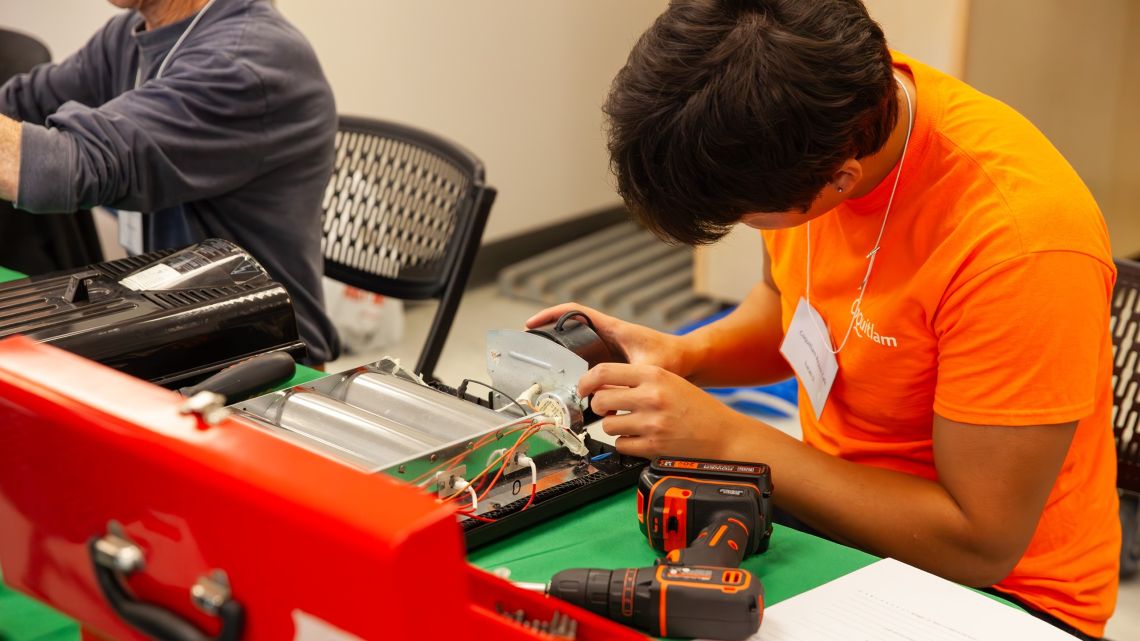
In 2024, the City of Coquitlam helped residents take part in activities to reduce waste. These included the City‑Wide Garage Sale and several Repair Cafes. People from all over Metro Vancouver took part in the garage sale. Many different types of homes joined, including multi‑family buildings.
The City also held four Repair Cafes. At these events, volunteers helped people fix household items. Items included clothing, bikes, kitchen mixers, vacuum cleaners, and more. These events showed how we can fix many things instead of sending them to the landfill.
The City also supported environmental learning in local schools. During the 2024–25 school year, teachers gave 56 classroom lessons on waste, energy, and water. This work helps students build good habits and learn how to take action on climate change.
Building a more connected community through Official Community Plan updates
City of Abbotsford
In 2024, Abbotsford worked on updating its Official Community Plan. The plan supports sustainable growth and helps people rely less on personal vehicles. The plan also includes rezoning large areas within the Urban Development Boundary. This rezoning focuses on high‐density housing near the city centre and major hubs like UDistrict and Historic Downtown.
The update also brings in the provincial Small‑Scale Multi‑Unit Housing policy. This policy allows at least four homes on all residential lots. The City expanded zoning for mid‑rise apartments and townhouses near the city centre as well. Abbotsford also added more density bonuses and created plans to improve walkability south of Mill Lake. These changes support more connected, vibrant neighbourhoods.
Increasing housing density by amending parking regulations
City of Campbell River
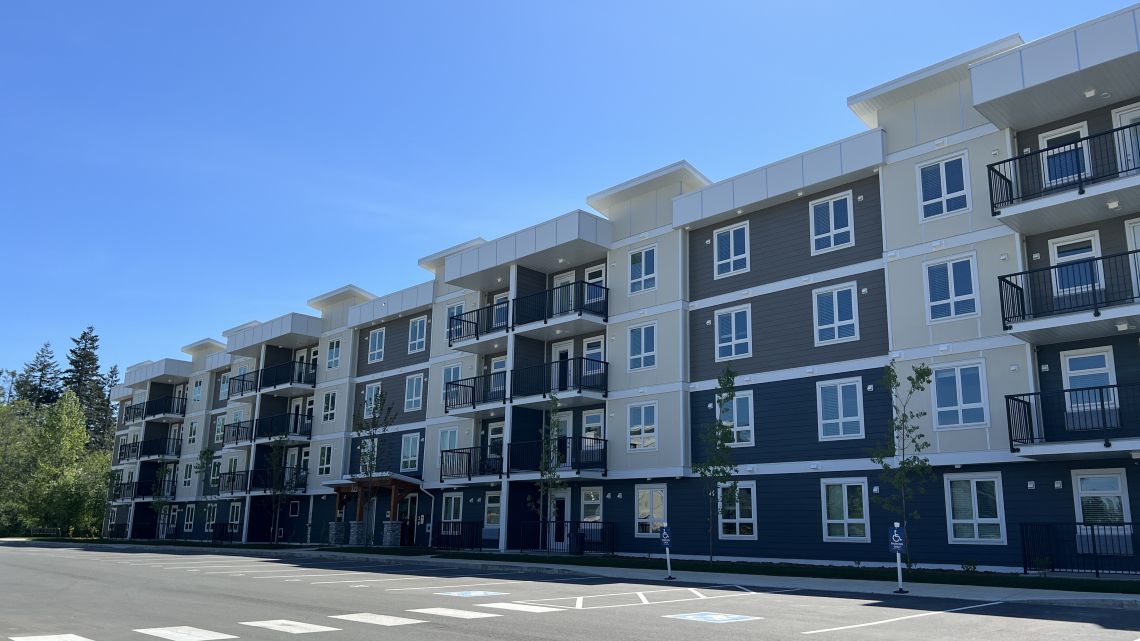
On September 5, 2024, Campbell River City Council approved Zoning Amendment Bylaw No. 3966. This new rule lowers how much parking is needed for apartment and multi-family buildings.
The change is part of the City’s Housing Accelerator Fund Action Plan. The plan helps create more homes, new mixed-use buildings, and future growth in the downtown area and along Dogwood Street.
The new parking rules support the City’s Official Community Plan and Housing Strategy. They were shaped by input from builders and a study on parking use at local apartment buildings.
By lowering parking requirements, the City hopes to make it easier and cheaper to build housing. The City will also keep track of how the new rules affect street parking. These changes will help add more homes, make neighborhoods easier to walk in, and support the City’s climate goals.
Youth Climate Corps B.C. ♦
City of Courtenay
The City of Courtenay worked with Youth Climate Corps BC (YCCBC) to hire young adults aged 18 to 30. A team of five worked from May to October 2025 on climate projects in the community.
The team helped many local groups. They picked and shared local food, helped grow school gardens, planted native plants, and removed invasive ones.
They also helped teach the public. They wrote newspaper articles, helped kids spend time in nature, and joined community events. The City plans to keep this program going to support its Official Community Plan.
For support with community-wide and corporate initiatives, see Climate action resources for local governments.
Adaptation and resilience
Tree Equity: An Urban Forest Management Plan ♦
City of Langford
In 2024, the City of Langford adopted its first Urban Forest Management Plan (PDF, 61.9MB). The Plan was developed with Diamond Head Consulting and explains how trees will support the city as the climate changes. Trees and green spaces help cool the city during heat waves, manage rainwater, lower wildfire risk, and support people’s health.
The Plan sets a goal for trees to cover 40–45 percent of the city by 2050. This will help Langford deal with extreme weather, wildfire, pests, and disease, while keeping the city a good place to live.
The Plan is built on three main ideas:
- Keep the urban forest healthy so it can handle climate impacts
- Make sure all residents can enjoy trees and green spaces
- Support city growth while still protecting and growing the urban forest
These ideas treat trees and green spaces as an important part of the city’s infrastructure. They also focus on “tree equity.” Tree equity means making sure trees are fairly distributed across neighbourhoods, especially where people face higher risks from heat and other climate impacts.
Protecting nature and building resilience with natural asset management ♦
Regional District of Nanaimo
The Regional District of Nanaimo is acting on its Toward Natural Asset Management report (PDF, 3.7 MB). The City is acting by including natural assets (e.g., aquafers) into its operations and land‑use planning. This work focuses on natural systems (e.g., forests) that provide essential services like water filtration. Watershed protection is another example.
In 2024, staff focused on defining draft service levels for these natural assets. This work is a step toward managing natural assets as it manages roads, pipes, and other infrastructure. It helps make sure natural systems are valued, protected, and cared for over time. This work helps protect communities from climate impacts now and into the future.
Growing local resilience with hydroponic farming ♦
Huu-ay-aht First Nations
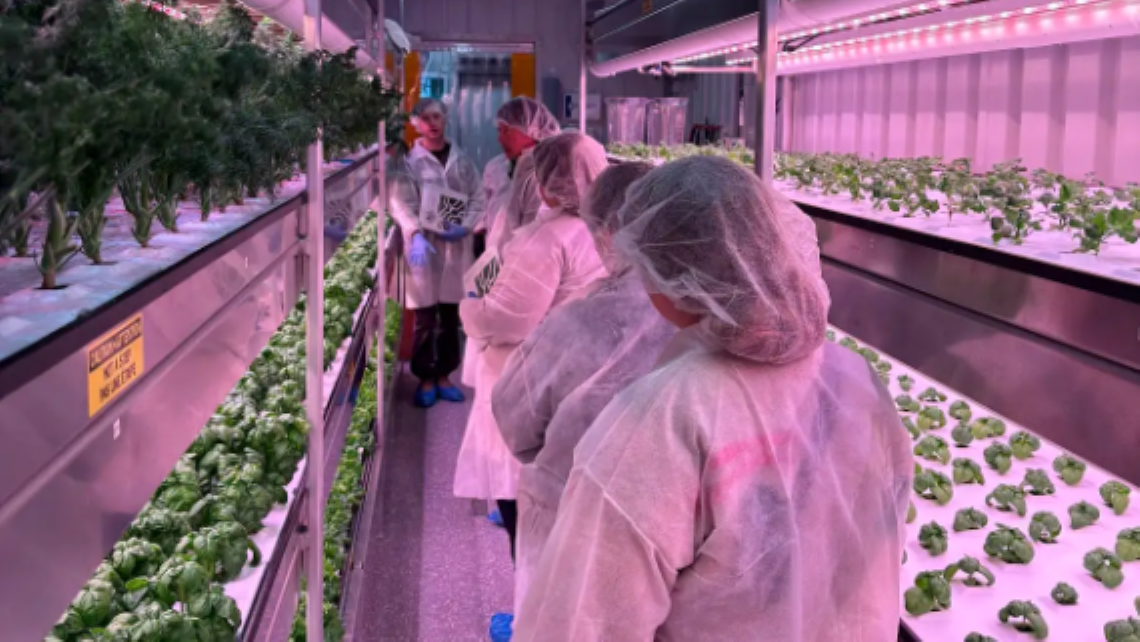
The Huu‑ay‑aht First Nations are improving food security with a hydroponic farming system called Growcer. This farm is inside a reused shipping container and can grow fresh vegetables, greens, and herbs all year. It helps the community rely less on costly food shipments and be more self-reliant. The farm also uses 95% less water than regular farming.
The project began in 2024 and will be installed in the Spring of 2026 after wildfire delays. It will include one farm unit plus a space for food processing and storage. There is also room to expand in the future.
Growcer will give the community better access to healthy, affordable food. It will also create local jobs and support long‑term community goals. The farm’s low‑emission, flexible design shows how Indigenous‑led ideas can build strong, sustainable food systems across B.C.
Coastal flood mapping
Sunshine Coast Regional District
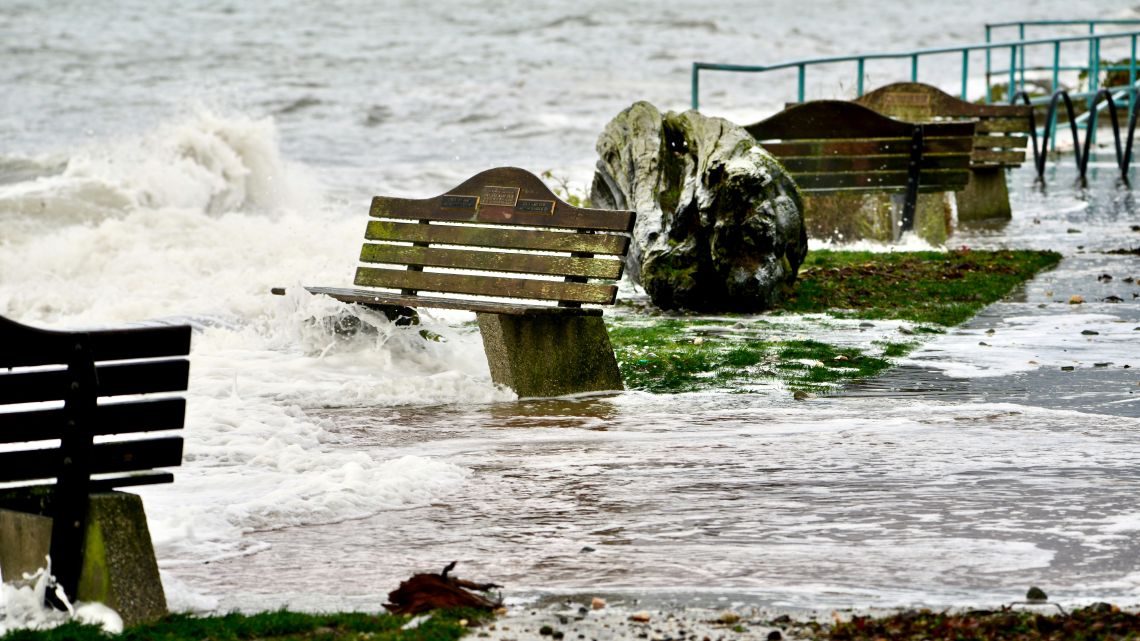
In 2025, the Sunshine Coast Regional District (SCRD) completed a project on Coastal Flood Mapping. The project created maps that show floodplains and areas at risk of coastal erosion. The maps show several possible future scenarios.
The project also reviews local policies and rules and provides suggestions for updates. SCRD worked with the Town of Gibsons, the District of Sechelt, and Islands Trust to make sure the maps are consistent across the region.
You can learn more and view the maps here: Coastal Flood Mapping Project
Neighbourhood emergency preparedness
Central Kootenay Regional District
The Central Kootenay Regional District expanded its Neighbourhood Emergency Preparedness Program. This program helps neighbours connect and support each other. During a disaster, people often turn to those nearby for help before first responders can arrive.
The program encourages residents to work together to make simple emergency plans for their area. These plans focus on the risks that neighbours share. By giving people easy‑to‑use tools and information, the program helps them prepare beyond their own household.
This initiative strengthens community resilience, builds cooperation, and helps neighbourhoods recover more quickly after emergencies.
For support with adaptation and resilience initiatives, see the Climate action resources for local governments page.
View additional local government and Modern Treaty Nation examples of climate action and other helpful resources: