
Sustainable forest management
 Last updated on February 24, 2026
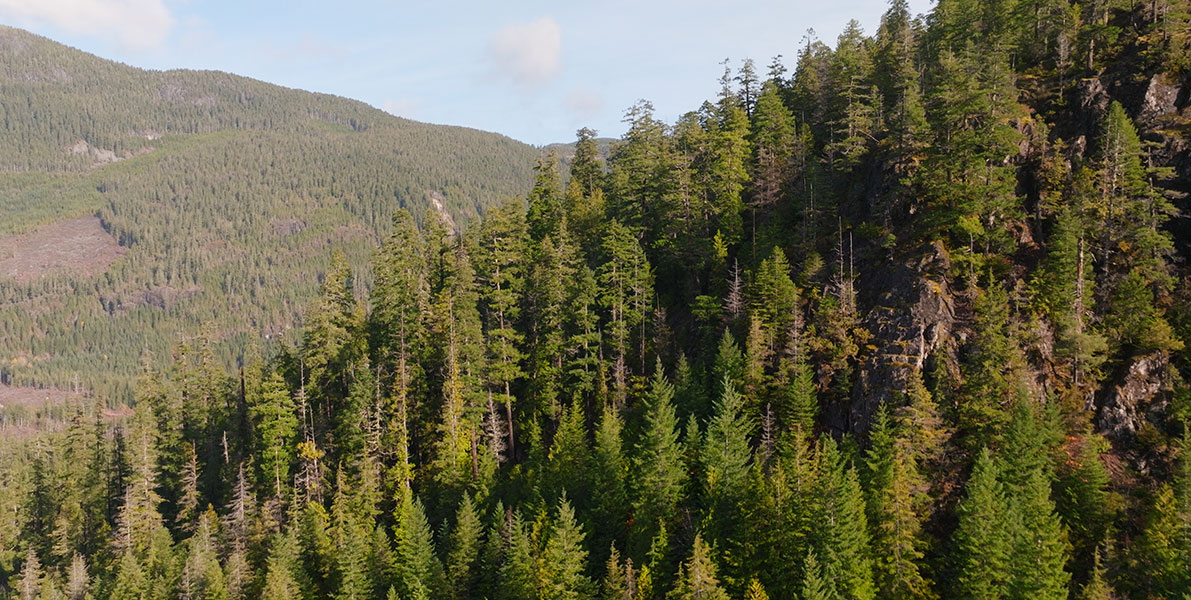
 British Columbia forests are managed as a sustainable resource with values that extends beyond harvestable timber to include habitat for wildlife, areas of cultural significance, recreational opportunities, and biodiversity. Sustainable practices ensure our forests and surrounding local ecosystems are resilient and endure for future generations.
On this page
Silviculture as a continuous process
A productive and sustainable forest requires both thoughtful management and renewal. The harvest of a stand may appear to be a final step in forest management but it is only one step within a continuous and sustainable cycle. Just as there is a managed activity prior to harvesting, there is the mandatory step of reforestation that follows harvesting.
A silvicultural system facilitates enduring and sustainable forestry by outlining a plan for the care, development, maintenance and replacement of a forest stand through silvicultural pathways and interventions. The time frame is always future oriented as a silviculture plan may take decades, or as long as a century, to complete. An effective silviculture plan transfers knowledge through multiple generations of silviculture professionals.
The silvicultural interventions that occur within the cycle of sustainable silviculture can include, among other actions, spacing and commercial thinning, pruning and fertilization. These interventions ensure forests are utilized to their full potential while simultaneously addressing and acknowledging multiple and varied forest values.
Learn more about the silviculture cycle
 Reforestation
Legal obligations accompany the harvesting of a forest stand. The primary obligation is a reforestation plan outlining how regeneration of a harvested site will occur. While natural regeneration is an option on some sites, planting is the primary reforestation method used throughout the province. From 1930, when reforestation efforts began, to 2024, British Columbia planted 10 billion trees seedlings to replace harvested timber. The majority of this reforestation effort has occurred in the last 40 years with 2 billion seedlings planted between 2017 and 2024.
Over the past decade, the province has planted an average of 252 million seedlings each year. In British Columbia harvested areas are typically replanted within two years of harvest.
Learn more about reforestation
Planning for forest resiliency
Sustainable forest management emphasizes resiliency at the stand, stand neighbourhood and landscape level. Silvicultural planning may consider forest density, retention policies and species selection in an effort to minimize the impact of wildfires, disease and other disturbances on a stand and the surrounding neighbourhood.
A stand neighbourhood includes the areas adjacent to a managed stand and encompasses all elements of the local landscape including plants, wildlife and waterways. The resiliency of the subject stand, the stand neighbourhood and the broader landscape are all considered when silvicultural planning occurs as many values can be affected by forestry activities. As each stand neighbourhood is unique, sustainable management practices are site specific with consideration given to local ecological, economic and social objectives.
Silvicultural interventions, including thinning, pruning and prescribed or cultural burning, can reduce fuel load, lower the risk of wild fire spread and intensity, and encourage the re-establishment of natural landscapes with characteristics that contribute to both sustainability and resilience.