
How to buy
 Last updated on May 5, 2026
A step-by-step introduction to buying goods, services, and construction for Ministry buyers, including help with budgeting and planning.
How to Buy also provides guidance on choosing the right solicitation and contract option for your purchase, as well as special considerations for buying technology.
On this page
Stay informed about updates to How to Buy and Solicitation and Contract Options.
When you need to buy something, you’re probably going to start a procurement. This could be as simple as a one-time credit card purchase or as complex as a multi-million dollar contract.
No matter the size or scope, every procurement benefits from careful planning well in advance of when you need your goods or services. The information on this page is here to help you begin that planning process to set your procurement up for success. If you would like to learn more about the principles of procurement, please take the Procurement Foundations course.
It’s important to remember that this website is not procurement advice. Talk to your ministry procurement specialist for help, advice, and guidance.
Step 1: Determine what you need to buy
The foundation of a good procurement plan is a clear understanding of what you need to buy. This will ensure that the procurement process goes smoothly, your team gets what it needs, and the people of British Columbia get the best value for their tax dollars.

Construction
Construction is defined as building, altering, repairing, or demolishing a structure, infrastructure, or fixed assets. It is handled separately from goods and services procurements.
If you need to purchase construction, the Capital Asset Management Framework provides best practice guidance for planning, procuring, and managing construction projects.
- For building construction or renovations, contact Real Property Division, Ministry of Infrastructure
- For highways, roads, and bridges, contact Ministry of Transportation and Transit or Corporate Services for the Natural Resources Sector

Goods and services
The procurement process you follow depends on whether you’re buying goods or services.
- Goods are tangible items like computers, pens, or vehicles
- Services are functions performed by outside contractors, like business advisory services or facilitation services
If you need to buy a combination of goods and services, plan your procurement using whichever makes up more of the budget. For example, if you need to install a fence, the fence panels are goods and the labour to install them is a service. If the labour portion makes up 51% or more of your budget, plan your procurement as a service.
When defining what you need to buy:
- Describe the outcome that you want to achieve
- Develop a clear picture of the goods or services that you need to achieve your desired outcome
- Determine what is essential and what is nice to have
- Outline an approximate timeline for your purchase. Procurements can take anywhere from a couple of weeks to several months to complete.
Step 2: Estimate what it’s going to cost

Your next step is to estimate what your purchase is going to cost and get the budget approved. The estimated budget for your purchase should include all products, services, licenses, installation, maintenance, updates, fees, expenses, and all potential options for extensions or renewals, but do not include taxes in your estimate.
Speak to your work unit expense authority and your supervisor. They can help you determine available budgets for various expenditures and advise you on your ministry process for getting expenses approved. If you don’t know who your expense authority is, ask your supervisor.
To determine general costs for your purchase, search online to find approximate values for your essentials, as well as any wish list or optional items. You may also be able to get an idea of cost from similar procurements done in the past by searching BC Bid and the Goods and Services Catalogue.
Step 3: Check the Goods and Services Catalogue

Before you start planning your own procurement, make sure someone hasn’t already done the work for you. Corporate supply arrangements and multi-use lists are available to buyers and can simplify the procurement process and save you time. Ministry buyers are required to use existing supply arrangements and multi-use lists when they meet business needs.
Look for existing supply arrangements
If you don’t find what you need, you may need to start planning a new procurement.
Step 4: Prepare to start a new procurement
It’s time to get ready to start a new procurement. Start by speaking to your ministry procurement specialist. These experts will either manage a procurement on your behalf or support you through the process.
Next, review these resources:
Procurement policy and process
Review Procurement Policy Chapter 6, Chapter 12, Chapter 21, and the Procurement Practice Standard
Additional costs
Factor in additional costs that may be associated with the procurement process itself, such as fees for Procurement Advisory Services or Legal Services
Risk
Complete the risk assessment process for your ministry to determine whether you are required to contact Risk Management Branch, check to see if a Privacy Impact Assessment is necessary, and note that a Security Threat and Risk Assessment may be required when purchasing IT products
Trade agreements
Consider whether your purchase may be impacted by any trade agreements that British Columbia is subject to
BC Bid
Your procurement may need to be posted on BC Bid, the online market where buyers can post opportunities and receive bids from suppliers
Impact Procurement
You may be able to add criteria to your procurement that boosts its positive impact. Include social and environmental requirements in your procurement to help your team achieve ministry or government-wide goals and mandates.

Learn more about Social Purchasing
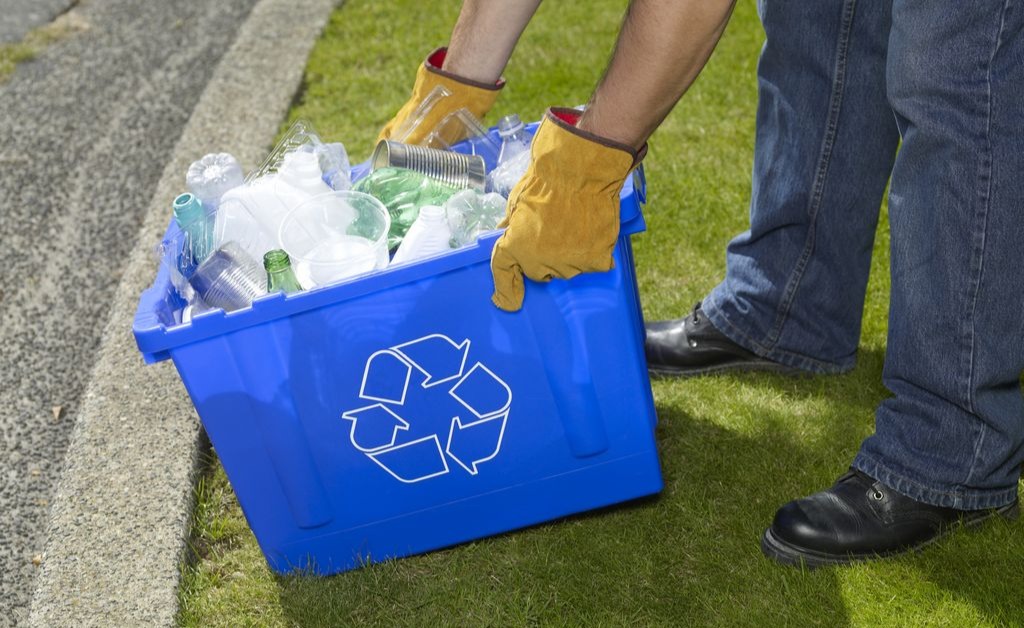
Learn more about the Guidelines for Environmentally Responsible Procurement

Learn more about the Indigenous Procurement Initiative
Step 5: Choose a solicitation or contract option

It’s time to start a new procurement. Your purchase needs will determine which solicitation and contract type is appropriate.
Determine which solicitation and contract options to use for your procurement
Subscribe
Enter your email address to subscribe to updates of this page.